

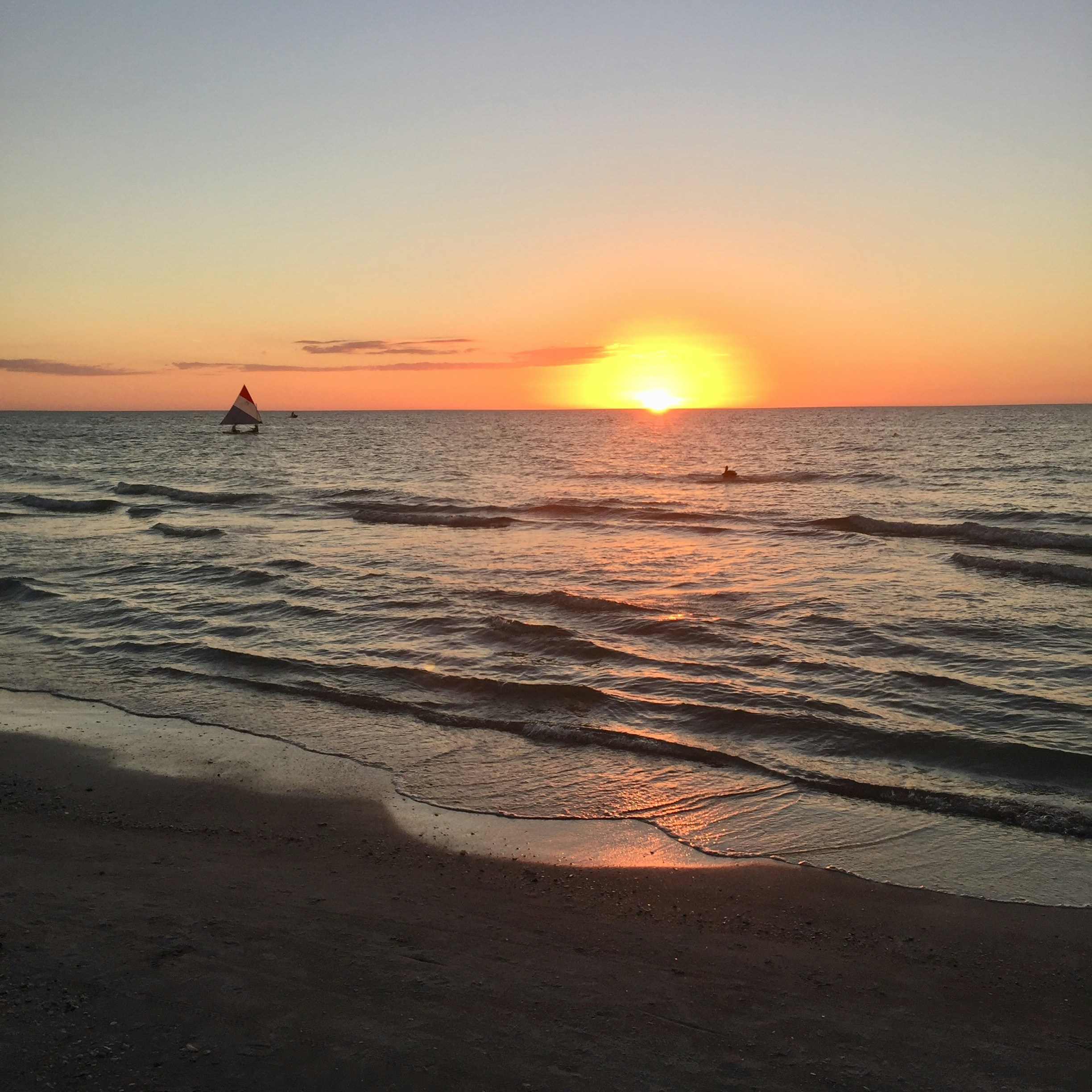
When I first started exploring West Central Florida, I thought I knew what to expect. Beaches, sunshine, a few well-known towns, and the same recommendations I’d seen repeated across travel blogs and visitor guides. And while those things are very much part of the experience, they’re only a small piece of what actually makes this region worth spending time in.
What surprised me most wasn’t what was popular, it was what almost no one talked about. The quieter areas people skip over. The pace that changes from town to town. The natural spaces, local routines, and small decisions that quietly shape how a trip feels once you’re here. The more time I spent moving through the region, the more I realized how easy it is to miss its best parts if you approach it like a checklist.
This isn’t a guide to the usual highlights. It’s a look at the details I didn’t notice at first, and what I’ve learned about experiencing West Central Florida in a way that feels less rushed, more grounded, and far more rewarding.
One of the biggest mistakes I made early on was thinking of West Central Florida as a single place instead of a collection of very different communities. On a map, everything looks close. In reality, the experience can change completely depending on where you stay, how far you’re willing to drive, and what kind of pace you expect once you arrive.
Some towns feel active and walkable, with busy waterfronts and constant movement. Others slow down almost immediately, especially once you leave the main roads. Even places that are only a short drive apart can feel like separate trips altogether. I’ve had days that felt full and energetic, followed by mornings just a few miles away that were quiet, residential, and calm in a way I didn’t expect.
What most visitors miss is how much this variety matters. Staying “near everything” doesn’t always mean experiencing what you actually came for. Beaches, downtown areas, natural spaces, and residential neighborhoods all shape a trip differently. I’ve learned that choosing where to base yourself isn’t just about distance, it’s about deciding what kind of days you want to have once you’re here.
Once I stopped treating the region as a single destination and started approaching it town by town, the experience changed. Travel felt less rushed, decisions became easier, and the trip itself felt more intentional instead of reactive. That shift alone made West Central Florida feel far more layered than I ever expected.
When I first visited West Central Florida, I treated nature as something I’d “get to” if there was extra time. Beaches came first, and everything else felt optional. That mindset changed quickly once I started exploring the region away from the shoreline.
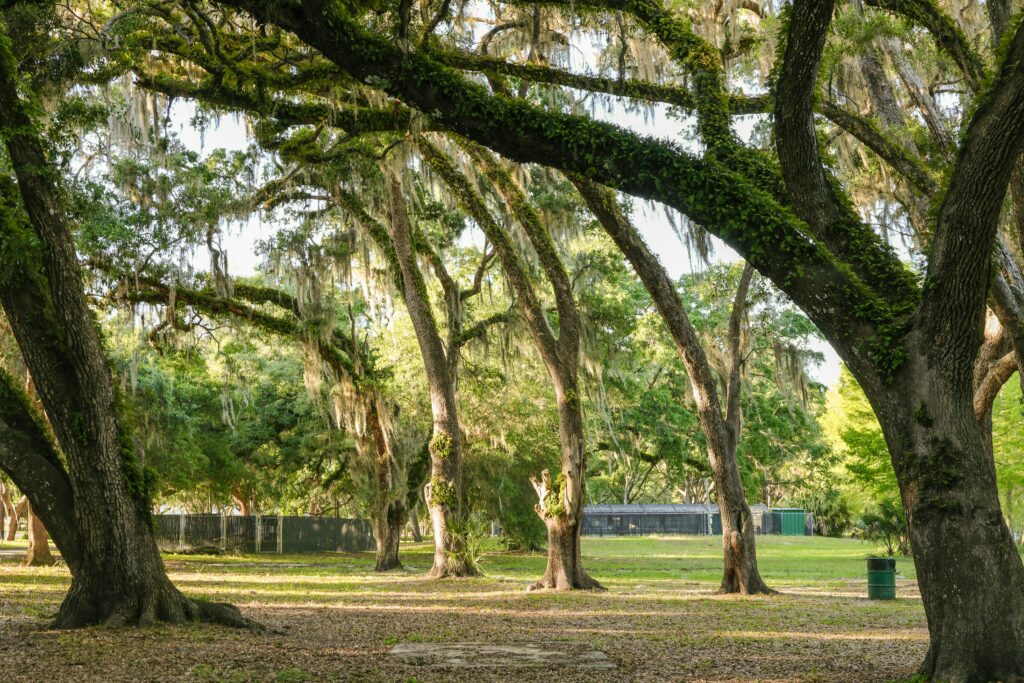
What I didn’t realize at first is how much of West Central Florida is shaped by protected land, waterways, and ecosystems that most visitors never intentionally plan for.
Once I started looking, these places kept coming up, quietly, consistently, and often just a short drive from where people usually stay:
State parks and preserves with boardwalks, shaded trails, and water access
Estuaries and mangrove areas that support wildlife you won’t see along busy beaches
Nature preserves near coastal towns that feel removed without being remote
Many of these areas are maintained and protected through programs run by Florida State Parks, which manage over 170 state parks across the state and provide reliable, up-to-date visitor information. Reading their park guides helped me understand where I could explore responsibly without guessing or overcrowding fragile areas.
One thing I learned quickly is that when you visit these spaces matters just as much as where you go.
From experience:
Early mornings are quieter and cooler
Late afternoons often bring better light and fewer people
Midday visits can feel rushed or overwhelming, especially in warmer months
Checking official park updates and seasonal guidance through resources like the Florida Department of Environmental Protection helped me plan visits that felt calm instead of reactive.
Spending time in these environments made me more aware of how intentional preservation is in this region. Wetlands, estuaries, and coastal preserves aren’t just nice extras, they play a major role in flood control, wildlife protection, and water quality.
I found it useful to reference educational resources from organizations like the National Estuarine Research Reserve System, which explains how estuaries support both marine life and coastal communities. Understanding that context made these visits feel more meaningful, not just picturesque.
Now, I rarely plan a stay in West Central Florida without setting aside time for these natural spaces. They:
Balance out busier beach days
Slow the overall pace of the trip
Add depth to the experience beyond sightseeing
This is the part of the region I wish I had understood sooner. West Central Florida isn’t only defined by what’s built for visitors, it’s just as much shaped by what’s been intentionally preserved.
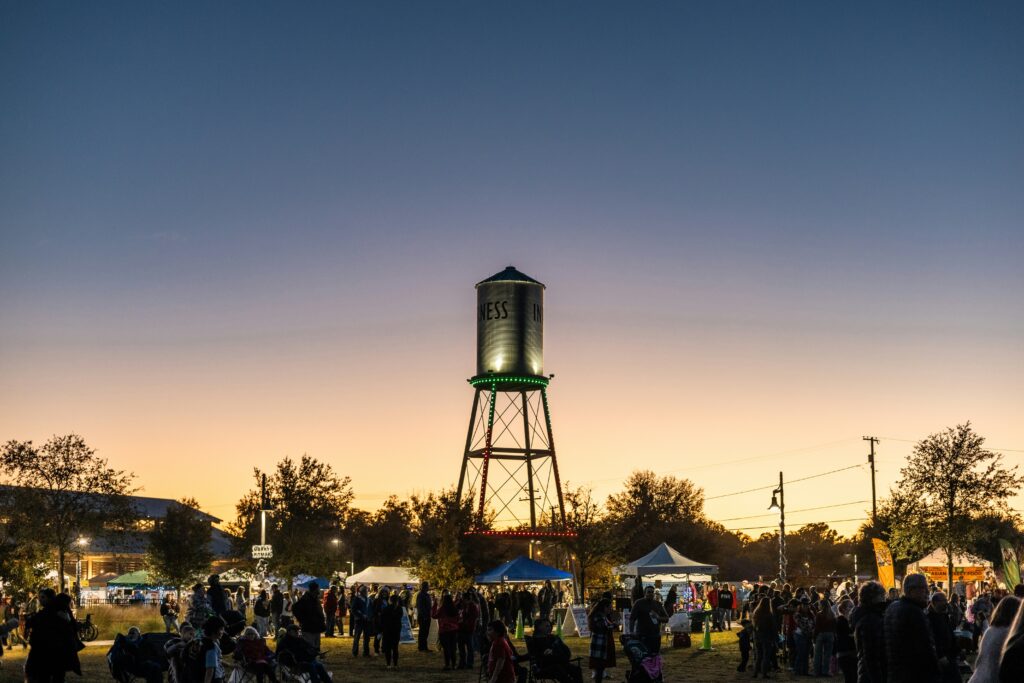
Before spending real time in West Central Florida, I assumed most dining options would fall into two predictable categories: waterfront tourist restaurants or familiar national chains. What I didn’t expect was how deeply local the food scene actually is, and how easy it is to miss if you don’t know where to look.
Once I stopped searching generic “best restaurants” lists and started following how locals eat, the experience changed completely.
What stood out to me wasn’t trend-driven dining, it was consistency, community, and place.
Across the region, I kept finding:
Independent restaurants that have been serving their communities for years
Menus shaped by coastal access, seasonality, and regional supply
Neighborhood spots that rarely advertise because they don’t rely on tourist traffic
Using local guides from Visit St. Pete–Clearwater helped me identify dining districts and independently owned restaurants that are actually part of the community, not just built around visitor demand.
Seafood is everywhere in West Central Florida, but what matters most isn’t how often it appears on menus, it’s where it comes from. I learned quickly that asking about sourcing made a noticeable difference in quality and consistency.
Programs like Fresh From Florida explain how local fisheries, farms, and producers supply restaurants across the state. Knowing this helped me recognize which places prioritize regional sourcing rather than relying on imported or frozen products.
One of the biggest surprises was how much dining culture changes from town to town:
Coastal communities lean heavily into fresh seafood and waterfront dining
Inland neighborhoods often favor casual, family-run restaurants
Downtown areas focus on walkable food scenes with a wide mix of cuisines
City-level resources like Visit Tampa Bay made it easier to understand how food culture shifts depending on where you’re staying, and why choosing the right base affects more than just convenience.
Food ended up shaping my days more than I expected. Once I started planning meals with intention, everything else, timing, transportation, even energy levels, fell into place more naturally.
Now, I rely on trusted regional resources like VISIT FLORIDA to identify dining areas, seasonal specialties, and food-focused districts that don’t always show up in quick searches or review platforms.
The biggest surprise wasn’t finding good food; it was realizing how much of West Central Florida’s identity shows up through its local dining culture. Once I understood that, eating out stopped feeling like a gamble and started feeling like an extension of the place itself.


Early on, I tried to treat West Central Florida like a checklist. One town in the morning, another in the afternoon, dinner somewhere else entirely. On paper, it looked efficient. In practice, it was exhausting, and it stripped away most of what makes this region enjoyable in the first place.
What I learned quickly is that West Central Florida isn’t designed for rapid hopping. Distances may look short, but pace matters more than mileage.
Even without heavy traffic, moving between towns takes more mental energy than most people plan for. Bridges, causeways, and seasonal congestion all play a role.
Resources like Florida 511 helped me understand real-time traffic patterns, especially around coastal access points and peak travel hours. Once I started factoring that in, I stopped overbooking my days.
From experience:
Crossing a bridge during peak hours can double drive time
Beach access roads slow significantly on weekends and holidays
Short distances don’t always equal quick trips
Some of my best days here didn’t involve much movement at all. Staying in one area long enough to settle into its rhythm made a noticeable difference.
I found that:
Mornings felt better without a strict departure time
Afternoons worked best when plans stayed flexible
Evenings were more enjoyable when I wasn’t racing to another town
Planning guidance from VISIT FLORIDA reinforced this idea, many regional itineraries are built around clusters, not constant movement.
When I rushed, destinations blended together. When I slowed down, each place felt distinct.
I noticed:
I paid more attention to neighborhoods, not just landmarks
Meals felt intentional instead of squeezed in
Natural spaces felt restorative rather than like quick stops
This shift didn’t require seeing fewer places, it required giving each place enough time to register.
Now, I approach trips here with a different mindset:
I choose one primary area as a base
I limit day trips to one per day, if any
I leave unscheduled space on purpose
Using distance and planning tools like Google Maps’ area planning features helped me visualize how much movement I was actually committing to, not just how far things were.
West Central Florida isn’t about maximizing stops, it’s about allowing space for the experience to unfold. Once I stopped rushing, the region felt less fragmented and more connected. Days felt fuller, even when I did less.
This is the part most visitors don’t hear: moving slower here doesn’t mean missing out. It’s usually how you end up enjoying more.
After a few trips through West Central Florida, I realized that where I stay shapes the experience more than almost any activity I plan. Early on, I focused on price and photos. Now, I pay far more attention to location, surroundings, and how a place fits into the kind of days I want to have.
This is what I consistently look for before booking.
Before choosing a specific town or neighborhood, I ask myself a simple question: Do I want movement, or do I want ease?
From experience:
Walkable areas work better if I plan to eat out often or explore nearby neighborhoods
Quieter residential areas make sense when I want slower mornings and less traffic
Staying close to nature matters more to me than being close to everything
Using destination overviews from Visit St. Pete–Clearwater helped me understand how different areas function day to day, not just what they look like in photos.
I used to prioritize features inside a rental. Over time, I realized that what’s outside the door has a bigger impact.
Now, I pay closer attention to:
Distance to beaches, parks, or downtown areas I plan to visit
How long it takes to reach main roads or bridges
Whether errands, dining, and activities require constant driving
Mapping these details using Google Maps , especially the “nearby” and travel-time tools, helped me avoid locations that looked convenient but felt disconnected in practice.
Photos rarely show what it’s like to arrive, park, or walk around the area. I’ve learned to look beyond the listing itself.
Things I now research:
Street layout and traffic flow
Nearby businesses or residential density
Noise patterns at different times of day
City planning and neighborhood information from Visit Tampa Bay gave me a better context for how different areas function outside peak visitor hours.
Where I stay in winter isn’t always where I’d stay in summer. Crowds, traffic, and weather all shift throughout the year.
I’ve found it helpful to review seasonal travel guidance from VISIT FLORIDA, especially when deciding between coastal and inland locations during busier months.
Seasonal considerations I now plan for:
Increased traffic near beaches during peak season
Quieter inland areas during the summer months
Longer drive times during holidays and events
Once I started choosing where to stay based on how I wanted the trip to feel, everything else became easier. Days felt less rushed. Driving felt intentional instead of constant. Even short stays felt more complete.
For me, the right location doesn’t just support the itinerary; it shapes the entire experience.
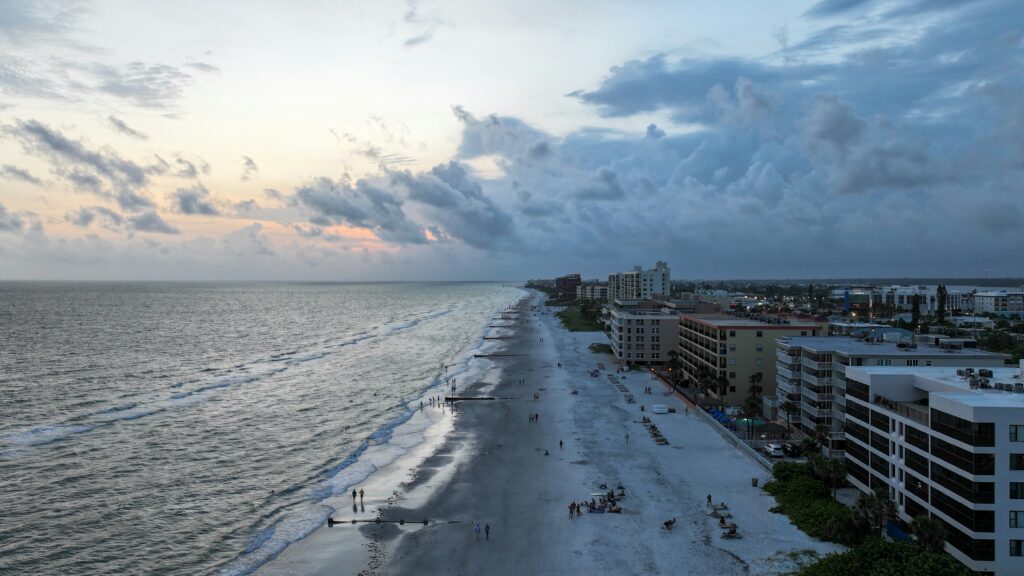
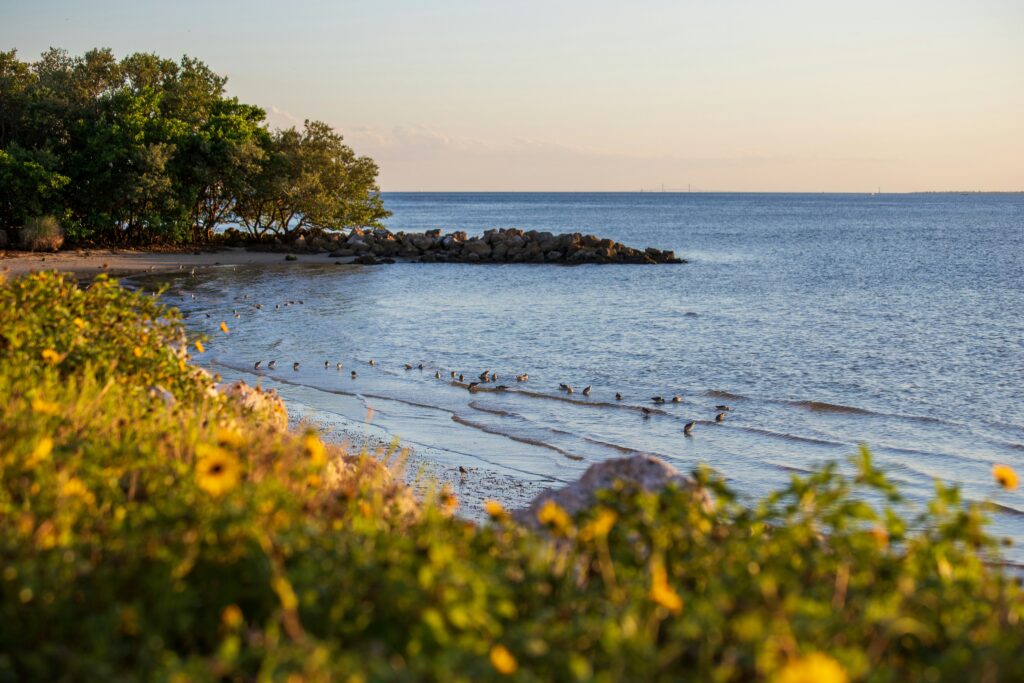
After experiencing West Central Florida across different times of year, I stopped thinking in terms of “best month” and started thinking in terms of what kind of trip I want. Each season changes the pace, availability, and feel of the region in noticeable ways.
This is how I’d choose when to return.
Winter is when the region feels most predictable. Days are cooler, humidity is lower, and outdoor activities feel easier to plan.
From my experience:
Mornings and evenings are comfortable for walking and exploring
Nature areas feel more accessible without extreme heat
Popular towns are busier, especially during holidays
I’ve found seasonal climate data from NOAA’s Florida climate summaries helpful for understanding average temperatures and weather patterns before booking.
Spring is when I’d return if I want a mix of good weather and energy without peak-season intensity. It’s one of the easiest times to move between outdoor spaces and dining without feeling rushed.
What stands out to me in spring:
Warm days without summer-level humidity
Active dining and events without full crowds
Better flexibility for both beach and inland plans
Travel planning guidance from VISIT FLORIDA helped me spot seasonal patterns tied to school breaks and regional events.
Summer surprised me. While temperatures are higher, the region feels noticeably less crowded, especially outside peak weekends. For longer stays or slower travel, this can be an advantage.
What I plan for in summer:
Early mornings and later afternoons for outdoor activities
More availability and flexibility with accommodations
Shorter wait times at restaurants and attractions
Weather awareness tools from NOAA’s heat and weather safety resources helped me adjust expectations and plan smarter rather than avoiding the season entirely.
Fall is the season I’d choose for the calmest version of West Central Florida. It’s less talked about, but for me, it offers the most breathing room.
Why fall stands out:
Fewer visitors across most towns
A slower, more local rhythm
Comfortable conditions once early fall heat fades
I usually reference VISIT FLORIDA’s seasonal travel insights to understand how fall travel shifts across the state, especially around weather transitions.
Understanding seasonality helped me stop chasing “perfect timing” and start matching trips to intention. Once I aligned the season with the experience I wanted, quieter, more active, or more flexible, planning felt simpler and more realistic.
For me, West Central Florida isn’t a one-season destination. It’s a region that rewards choosing when to go just as carefully as where to stay.
Spending time in West Central Florida changed the way I think about travel here. What stood out most wasn’t a single place or attraction, it was how much the experience shifted once I stopped treating the region like a checklist and started paying attention to pace, location, and intention.
The moments that stayed with me weren’t always the busiest or most photographed ones. They were quieter mornings, unplanned afternoons, and small decisions that made the trip feel less rushed and more grounded. Choosing where to stay carefully, leaving room for natural spaces, and allowing time for local routines made the region feel layered instead of fragmented.
What I’ve learned is simple but easy to overlook: West Central Florida rewards travelers who slow down. It’s a place that reveals more when you give it space, whether that means staying longer in one area, planning fewer stops, or letting the day unfold without constant movement.
Seeing the region this way didn’t just improve my trips, it changed how I approach future visits. And that perspective is what I wish I had understood from the beginning.
Yes. While the beaches are a major draw, I’ve found that the region offers much more through its natural preserves, local food culture, walkable towns, and slower-paced experiences that don’t always make it into typical travel guides.
From experience, a minimum of four to five days allows enough time to settle into one area without rushing. Longer stays work even better if you want to explore nearby towns or natural spaces at a relaxed pace.
In most cases, yes. While some areas are walkable, having a car makes it significantly easier to explore different towns, access nature preserves, and move around without feeling limited by schedules.
The biggest mistake I see is trying to cover too much in too little time. Treating the region like a checklist often leads to unnecessary driving and a rushed experience instead of allowing each place to feel distinct.
Absolutely. In fact, I’ve found the region works best for longer stays, where slower mornings, fewer transitions, and a consistent base make the experience feel more complete and enjoyable.